
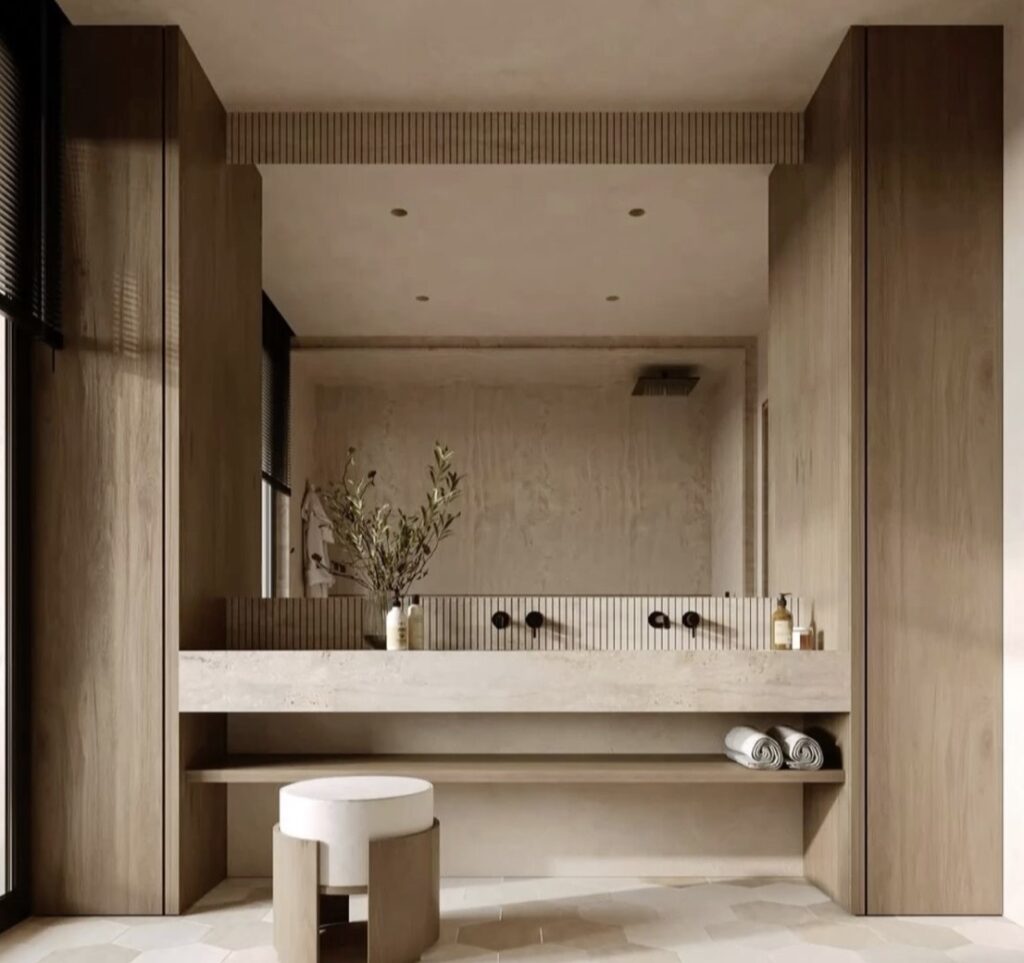
Why bathroom design begins long before choosing materials and fittings.
Beautiful taps, a sculptural basin, an exceptional stone or a perfectly chosen light fixture can elevate a bathroom.
But none of these elements can compensate for a poorly designed space.
Before selecting a material or specifying a fitting, we first need to understand how the space will actually be lived in.
Design Before Selection
A bathroom is not simply a series of functions to be fitted into a few square metres.
It is a space where our days begin and end. We get ready there, sometimes move around it together, and look for comfort, privacy and light.
So the first question is not: which basin should we choose?
It is: how do we want to experience this space?
From there come the architectural decisions: layout, circulation, sightlines, volumes, natural light, storage, everyday use and, of course, technical constraints.
A shower can be beautiful yet uncomfortable if access to it has been poorly considered. An exceptional vanity can become cumbersome if it disrupts circulation. A spectacular surface will not improve a space whose proportions simply do not work.
The product does not create the project. It reveals it.
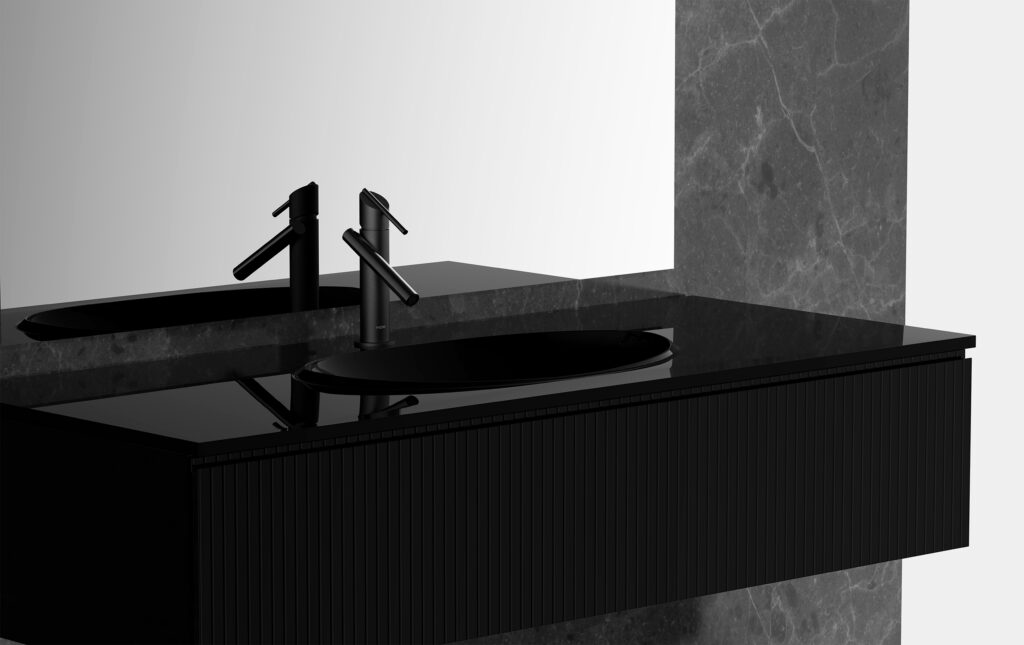
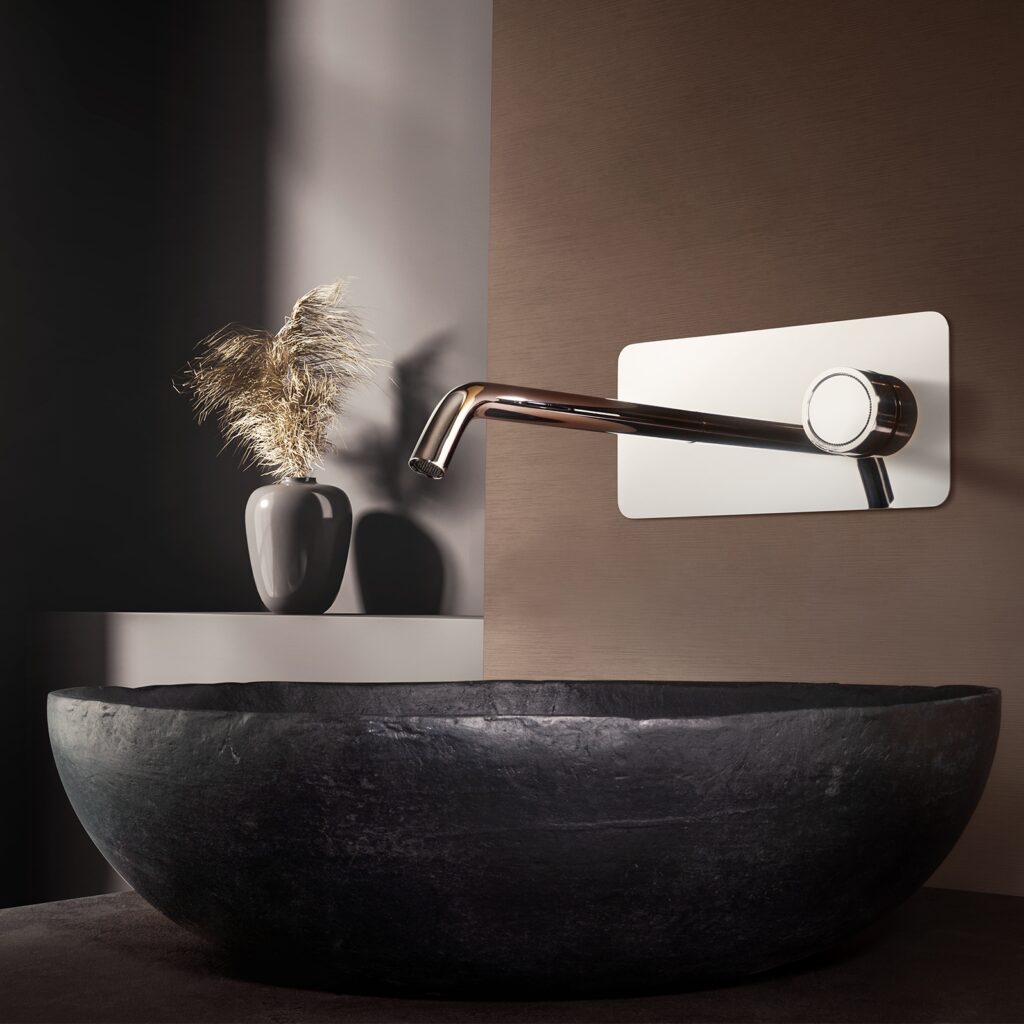
Light Is Part of the Plan
Lighting is also too often considered at the end of a project, as though it were simply a matter of choosing a few fixtures once the layout has been defined.
Yet light profoundly transforms the way we perceive a space.
In a bathroom, it needs to serve several purposes: illuminate a face precisely, ease us into the morning, create a softer atmosphere in the evening, reveal the texture of a material or give depth to a volume.
Natural and artificial light should therefore be considered together from the very beginning of the design process.
Because lighting a room is not simply about making it brighter.
It is part of its architecture.
Materials Tell the Story of the Project
Once function, volumes and light have found their place, the selection of materials and fittings takes on its full meaning.
Natural stone, ceramic, wood, metal, glass, plaster finishes… each material has its own texture, its own way of capturing light, ageing and interacting with the others.
Taps and fittings then become far more than functional equipment.
They become part of the composition.
This is precisely where specification comes into its own: when it is no longer about accumulating beautiful products, but about selecting the ones that genuinely serve the project.
Beauty, yes. But with a reason for being there.
This is one of the convictions that guides my approach to interior architecture.
I can love a material, a tap or a light fixture and still decide not to use it.
Because the project comes before the product.
A successful interior is not measured by the sum of the pieces that compose it. It comes from the coherence between the place, the way it is used, its volumes, its light, its materials and the people who will inhabit it.
This philosophy also lies at the heart of Signature NK’s approach to specification and curation.
NDW — Taps as an Architectural Element
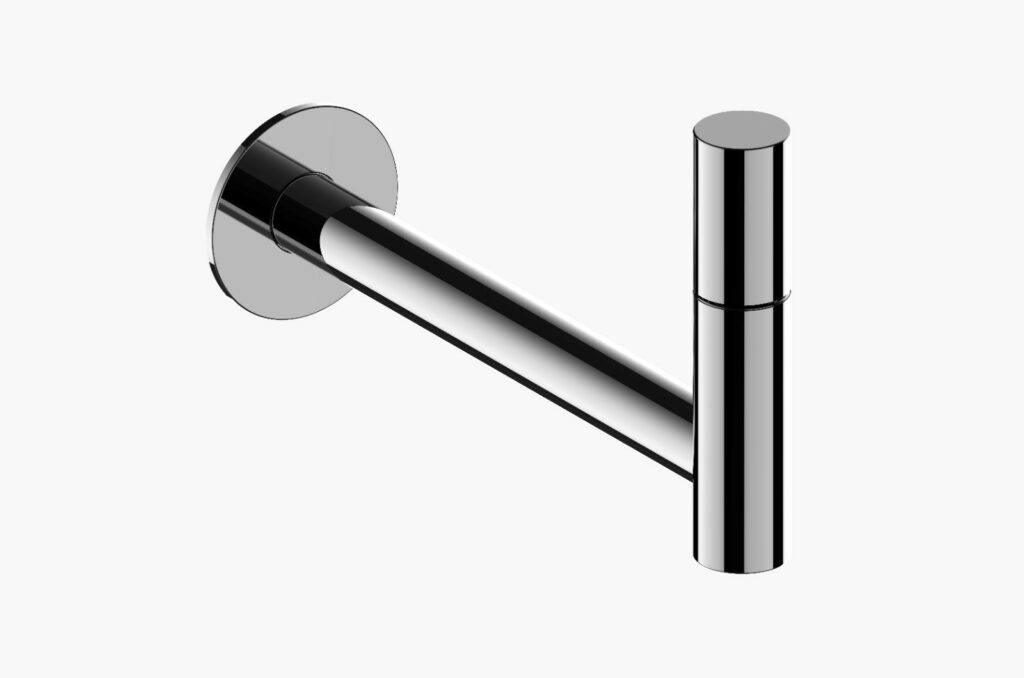
Among the brands selected by Signature NK, NDW particularly embodies this approach.
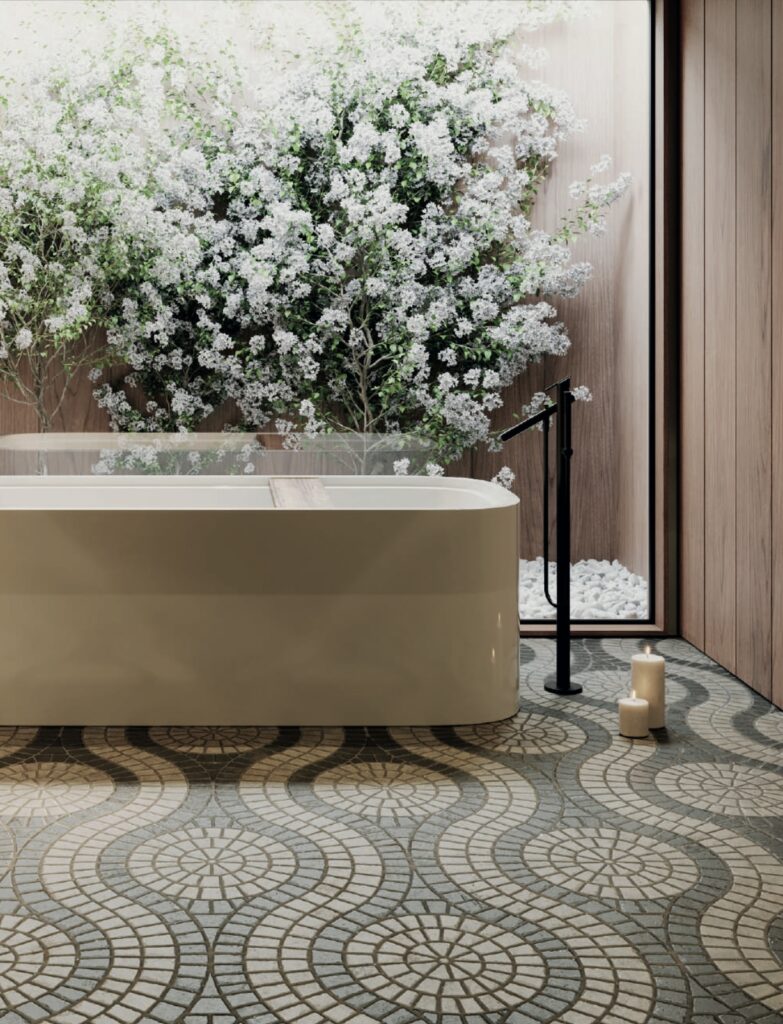
What interests me about their work is the way they consider taps not simply as functional fittings added at the end of a project, but as elements capable of contributing to the architectural language of a space.
Their proportions, lines, finishes and relationship with materials allow each piece to enter into dialogue with its surroundings rather than impose itself upon them.
That is precisely what I look for when specifying a product: not choosing an object simply because it is beautiful in isolation, but understanding why it belongs in this particular place, within this particular project, and for the people who will experience it.
Because the finest taps will never save a poorly designed project.
But when the architecture, the way the space is used, the light and the materials have all been carefully considered, the right taps can reveal the full coherence of the design.
Nathalie Kotchian — Signature NK
Interior Architecture · Art & Design Curation · Procurement & Project Coordination
